Switching to an electric vehicle is an exciting step, and having a charger at home transforms the experience completely. No more queuing at public charge points — you simply plug in overnight and wake up to a full battery. But before you book an installation, there's quite a lot to consider. We've put this guide together based on the questions we hear most often from customers across Solihull and the West Midlands.
What type of charger do you actually need?
Most home EV chargers are 7kW units — these are by far the most popular and practical choice for overnight charging. A 7kW charger will typically add around 30–40 miles of range per hour of charging, meaning most cars will be fully topped up overnight from any realistic starting point.
Some households opt for a 3.6kW charger (sometimes called a trickle charger), which is cheaper but significantly slower. For most electric car owners, we'd recommend the 7kW unit — the price difference is modest and the convenience gain is substantial.
Do you need a dedicated circuit?
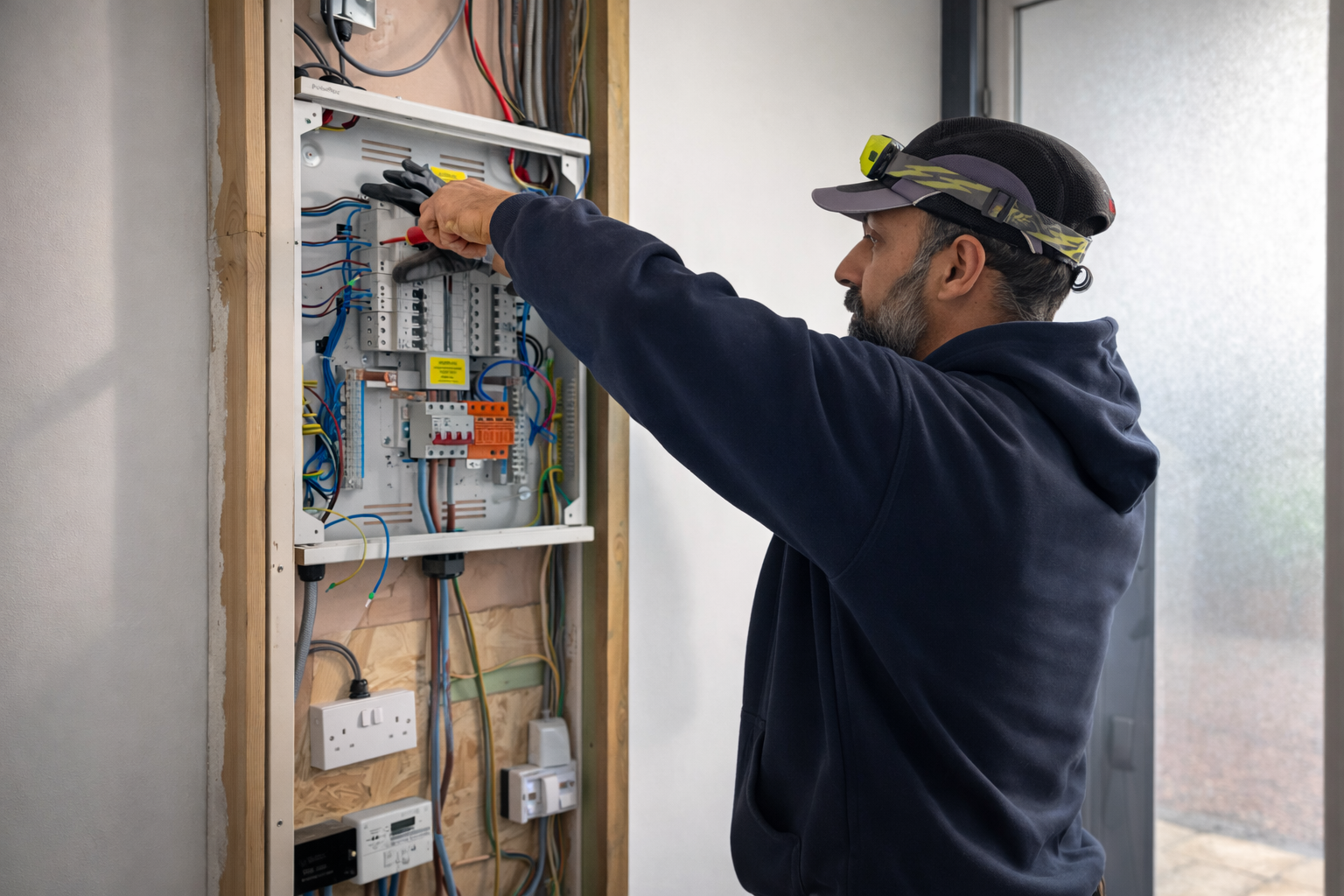
Yes — a home EV charger must be connected to its own dedicated circuit from your consumer unit (fuse box). This is a safety requirement, not a suggestion. The circuit needs to be correctly rated for the charger, properly earthed, and protected by the right breakers. This is one of the main reasons EV charger installation isn't a DIY job.
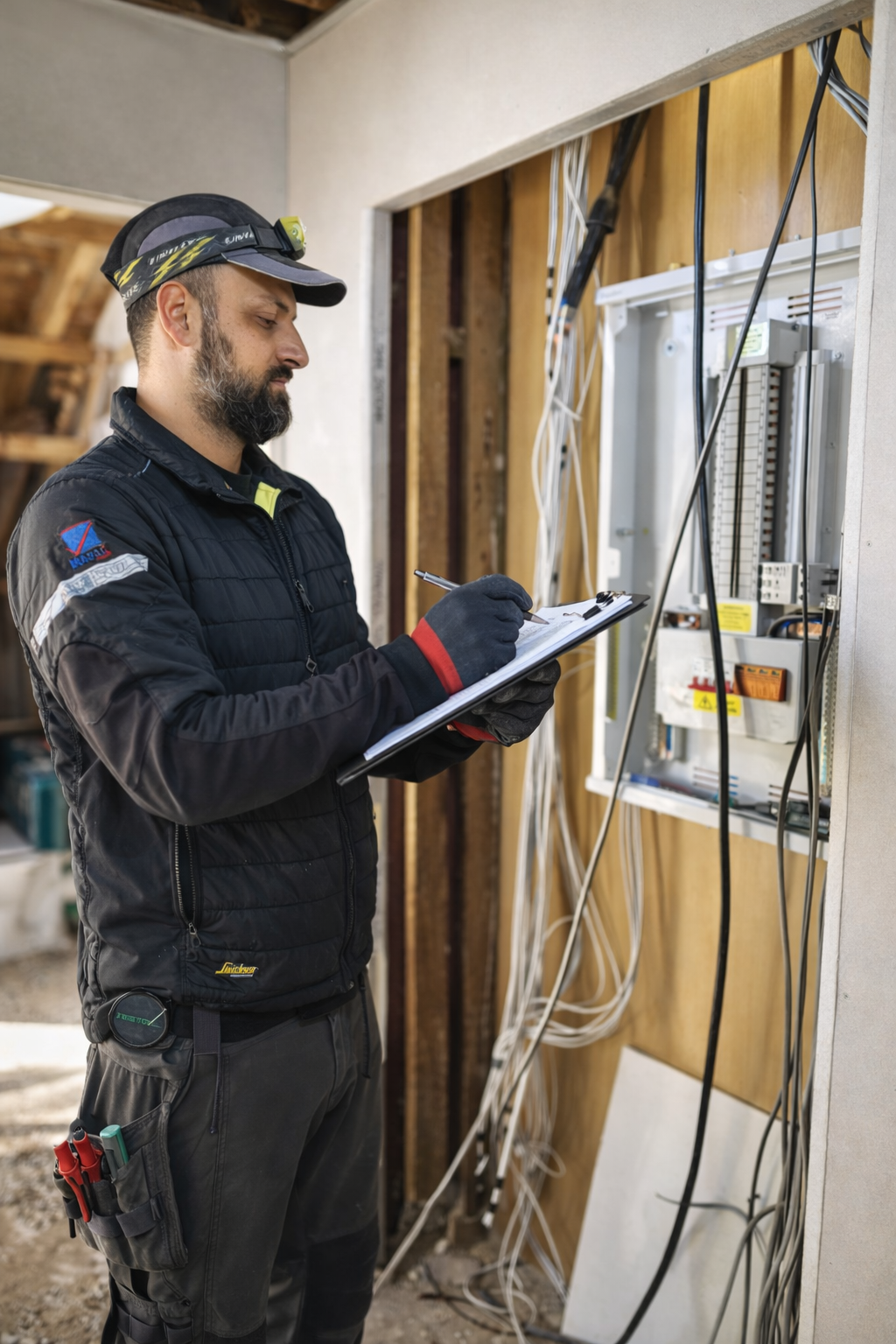
We also carry out a full assessment of your existing consumer unit before installation. Some older properties may need a consumer unit upgrade before a charger can be safely installed — we'll advise you honestly if that's the case.
Where should the charger be positioned?
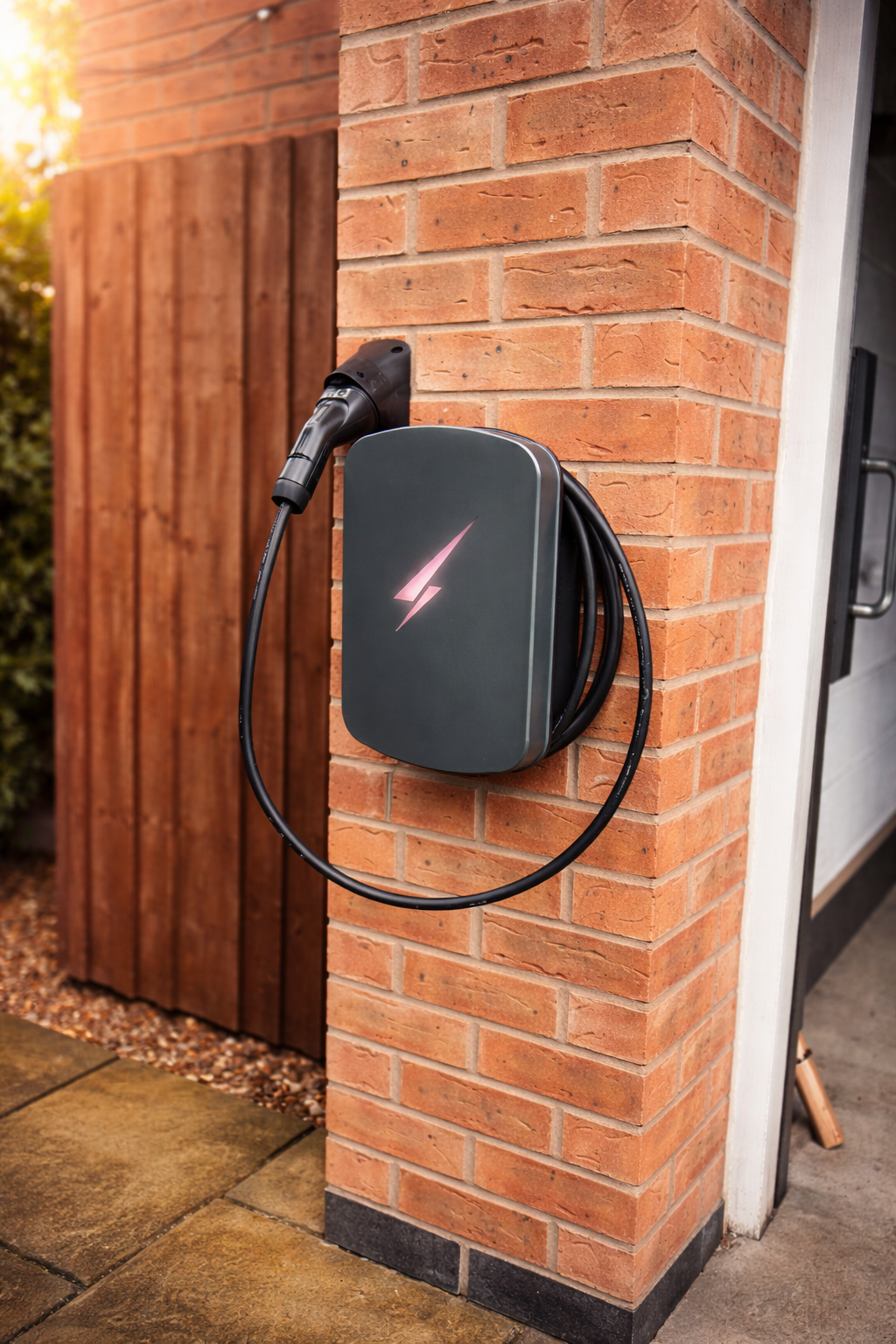
Ideally, your charger should be positioned on an outside wall close to where you park, with the cable able to reach comfortably without stretching. Most chargers come with a 5–7 metre cable, which gives reasonable flexibility.
We always take time to plan the cable route carefully — keeping things neat, protected, and out of sight where possible. A well-installed charger shouldn't look like an afterthought.
Are there any grants available?
The main grant scheme currently available is the EV chargepoint grant, which provides up to £350 off the cost of installing a charger at a domestic property. There are eligibility criteria — for example, the property must have off-street parking — and the charger must be installed by an approved installer.
We'll advise you on current available schemes when you enquire and handle the relevant paperwork as part of our service. Grants change periodically, so it's always worth checking at the time of booking.
How long does installation take?
For a straightforward installation — where the consumer unit is in good condition and the cable run is simple — most jobs are completed within half a day. More complex runs, or jobs requiring consumer unit work, may take a full day. We'll give you a clear estimate when we assess the job.
What to look for in an installer
Always ensure your installer is NAPIT or NICEIC certified — this means they can self-certify the electrical work and issue you with the correct documentation. Ask to see examples of previous installations, and check that they're carrying out a proper site assessment rather than quoting blindly over the phone.
At Ahdi Electricals, every charger install starts with a free site visit, a clear written quote, and a conversation about which charger brand and model best suits your setup. No pressure, no surprises.